Best CRM for Marketing
Marketing campaigns often fall short despite your best efforts.
From our agency’s experience across multiple industries, the common thread is usually the same – businesses struggling to track leads, measure campaign performance, and maintain consistent communication with their customer base.
This is where the right CRM makes a real difference.
A basic CRM can manage your contacts, but a specialised marketing CRM can elevate your campaigns significantly. In 2026, the gap between basic and best-in-class has widened further – largely thanks to AI.
Platforms like HubSpot, Salesforce, and ActiveCampaign have all rolled out AI tools that can generate campaign content, predict customer behaviour, and automate personalised journeys with minimal manual input. This is no longer a nice-to-have; it’s quickly becoming the standard.
We evaluated the top 10 CRM platforms that excel at marketing automation and campaign management, looking at pricing, AI capabilities, ease of use, and how well they scale as your business grows.
Whether you’re after an enterprise solution like Salesforce or an affordable all-in-one like Zoho CRM, here’s our guide to finding the right fit for your marketing needs in 2026.
10 Best CRMs for Marketing
1. HubSpot
Platform Information
Pricing
Free Plan Available
G2 Rating
4.4/5 Stars
Best for:
Campaign management
Lead generation
Multi-channel tracking
Overview
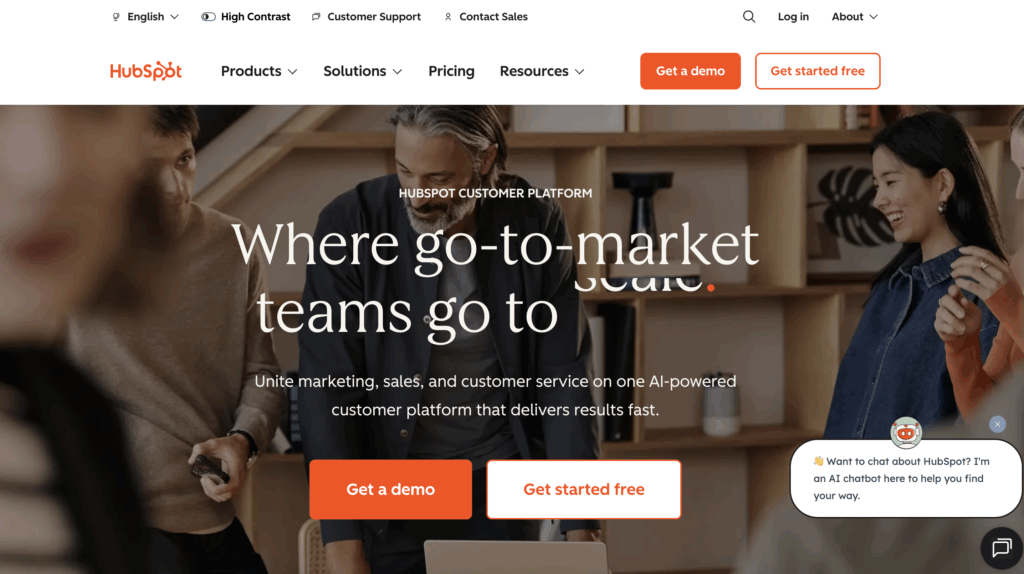
HubSpot continues to be a powerhouse in marketing CRM solutions in 2026.
The AI-powered platform remains the only marketing automation solution built right on top of a complete CRM system, and has made significant strides with the introduction of Breeze AI – a suite of AI tools embedded across the entire platform for content creation, campaign optimisation, and customer intelligence.
A major change to be aware of: HubSpot transitioned to a seat-based pricing model in March 2024, which is a shift from their previous contact-only model. This means your total cost now depends on both your number of marketing contacts and how many team members need access.
The platform also introduced Content Hub (formerly CMS Hub) and Data Hub (formerly Operations Hub), expanding its ecosystem further.
HubSpot Marketing Hub unifies customer insights through Smart CRM as an all-in-one marketing automation platform. Customers continue to report strong results, with HubSpot citing an average 134% traffic increase for properly onboarded users.
Pros
- Built-in Breeze AI tools for content, prospecting, and customer agents
- Complete campaign management system
- Smooth integration with CRM
- Easy-to-use drag-and-drop email builder
- Advanced personalization capabilities
Cons
- Higher learning curve for advanced features
- Premium features limited to higher tiers
- Costs escalate quickly with contact growth – contact-based pricing can cause sticker shock

Content Capabilities
- Visual workflow builder for automated campaigns
- Multi-channel campaign tracking
- Custom reporting and analytics
- Social media management integration
- Smart forms and landing pages
- Lead scoring automation
- Behavioural event targeting
- Dynamic content personalisation
2. Salesforce Marketing Cloud
Platform Information
Pricing
Free Trial Available
$35/ per user p/m for Starter Suite
G2 Rating
4/5 Stars
Best for:
Cross-channel campaign management
AI-driven personalisation
Journey builder
Overview
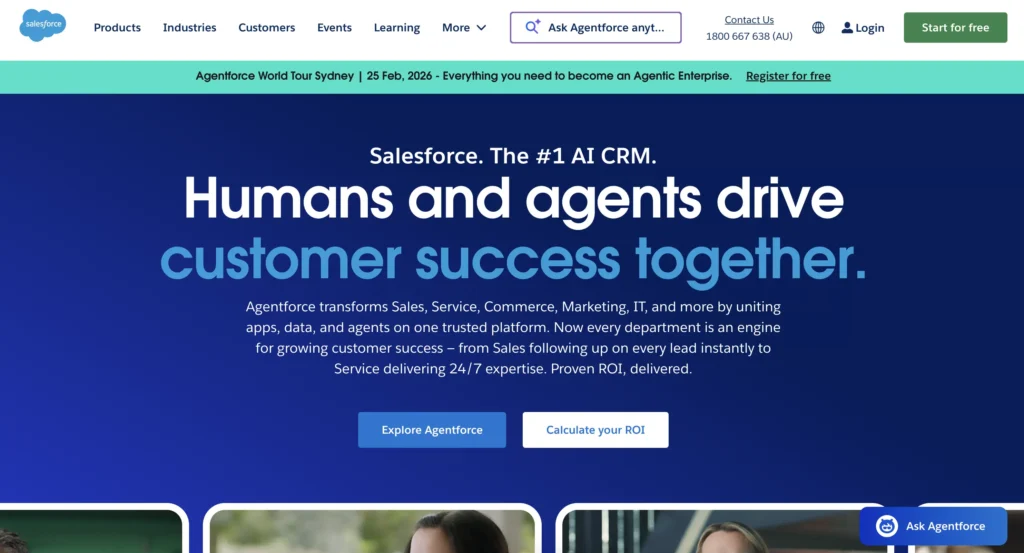
Salesforce Marketing Cloud has undergone a significant restructuring since our last review.
For businesses seeking enterprise-grade marketing CRM, the platform now centres around two main editions: Marketing Cloud Growth Edition and Marketing Cloud Advanced Edition, both priced per organisation rather than per user – a fundamental shift in how Salesforce charges for marketing tools.
The biggest headline is Agentforce, Salesforce’s AI agent platform that powers autonomous marketing campaigns. Agentforce can generate campaign briefs, segment audiences, create landing pages, and optimise content with minimal human intervention.
This represents a step change from the previous Einstein AI capabilities.
Marketing Cloud Growth Edition is built natively on Salesforce’s Data Cloud, giving teams a unified view across marketing, sales, service, and commerce.
For growing businesses, this means enterprise-grade AI and data unification are now more accessible than before – though still at a premium price point.
Note: Salesforce also still offers legacy products – Marketing Cloud Engagement (formerly ExactTarget) and Marketing Cloud Account Engagement (formerly Pardot) – which can cause confusion. The newer Marketing Cloud Growth is Salesforce’s primary offering going forward.
Pros
- Agentforce AI for autonomous campaign creation and optimisation
- Complete cross-channel campaign management
- Deep integration with the Salesforce ecosystem
- Resilient analytics and reporting
- Enterprise-grade security features
Cons
- Complex setup and learning curve
- Higher price point than competitors
- Technical expertise needed
- Additional third-party integrators might be required

Content Capabilities
- Live customer data unification
- Predictive analytics and AI-powered insights
- Custom reporting dashboards
- Behavioural tracking and analysis
- Cross-channel campaign orchestration
- Journey builder with visual mapping
- Automated workflow creation
- Dynamic content personalisation
- Email marketing studio
- Social media management
- Mobile messaging capabilities
- Web personalisation
3. Zoho CRM

Platform Information
Pricing
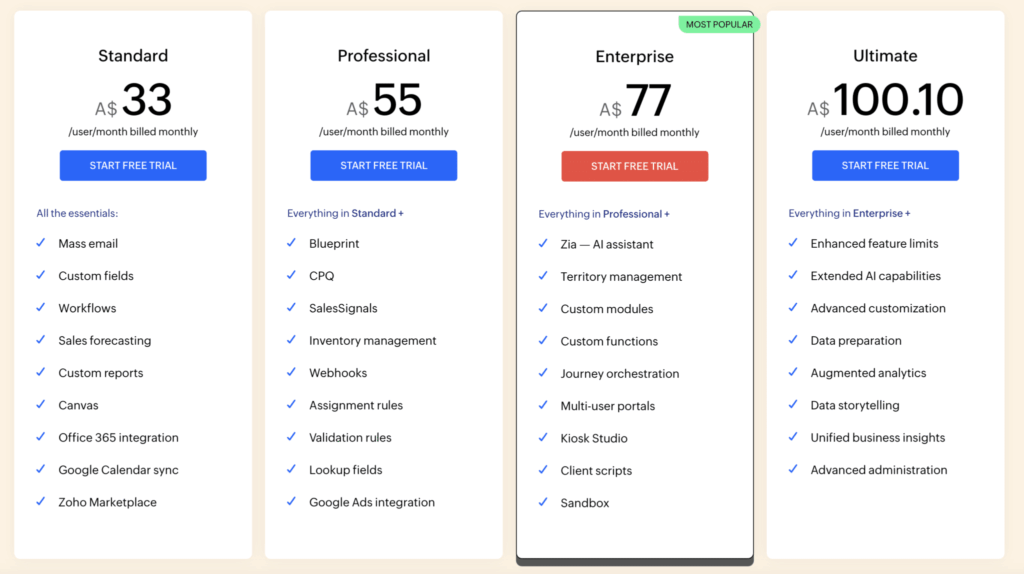
Free trial + $18 per month per user
G2 Rating
4.1/5 Stars
Best for:
Campaign builder
Multi-channel execution
RFM segmentation
Overview
Zoho CRM remains one of the most detailed marketing automation solutions at a price point well below its competitors.
Our extensive testing shows it continues to deliver strong functionality for businesses that need both capability and affordability in 2026.
The standout update is the continued evolution of Zia AI, Zoho’s artificial intelligence engine. Zia now offers enhanced predictive analytics, anomaly detection across sales metrics, and AI-powered content suggestions for email campaigns.
Zoho has also deepened its integration with the broader Zoho ecosystem (Zoho One), making it even more appealing for businesses already using Zoho’s suite of 45+ applications.
Zoho CRM combines sophisticated marketing automation with powerful analytics capabilities. The platform handles everything from email campaigns to social media marketing and maintains a unified view of customer interactions.
2026 Key Updates
Zia AI significantly enhanced with predictive analytics, anomaly detection, and content suggestions
Deeper integration across the Zoho One ecosystem (45+ apps)
Improved Canvas design tool for custom CRM views
Enhanced CommandCenter for cross-functional process orchestration
Pros
- Detailed marketing automation tools
- Excellent value for money
- Built-in RFM customer segmentation
- Powerful campaign attribution tracking
- Extensive third-party integrations
Cons
- Interface feels less polished than competitors
- Setup process can be complex
- Learning curve for advanced features
- Limited advanced features in lower tiers
Content Capabilities
- Visual campaign builder
- Multi-channel campaign execution
- Immediate campaign analytics
- Advanced segmentation tools
- Email marketing automation
- Social media management
- Website behaviour tracking
- Lead scoring and nurturing
- Marketing attribution
- ROI tracking
- Custom dashboards
- Performance analytics
4. ActiveCampaign

Platform Information
Pricing
Free trial + $15 per month
G2 Rating
4.5/5 Stars
Best for:
Email marketing
Automation builder
Predictive sending
Overview
ActiveCampaign has repositioned itself as an “autonomous marketing platform” in 2026, leaning heavily into AI-driven campaign execution.
The platform continues to deliver customised customer experiences through intelligent automation, and now features Active Intelligence – their AI engine that powers goal-aware automations across email, SMS, and WhatsApp.
A significant development is the introduction of AI Agents that can run entire marketing campaigns through simple prompts. This marks ActiveCampaign’s evolution from a sophisticated automation tool to a more hands-off, AI-first platform.
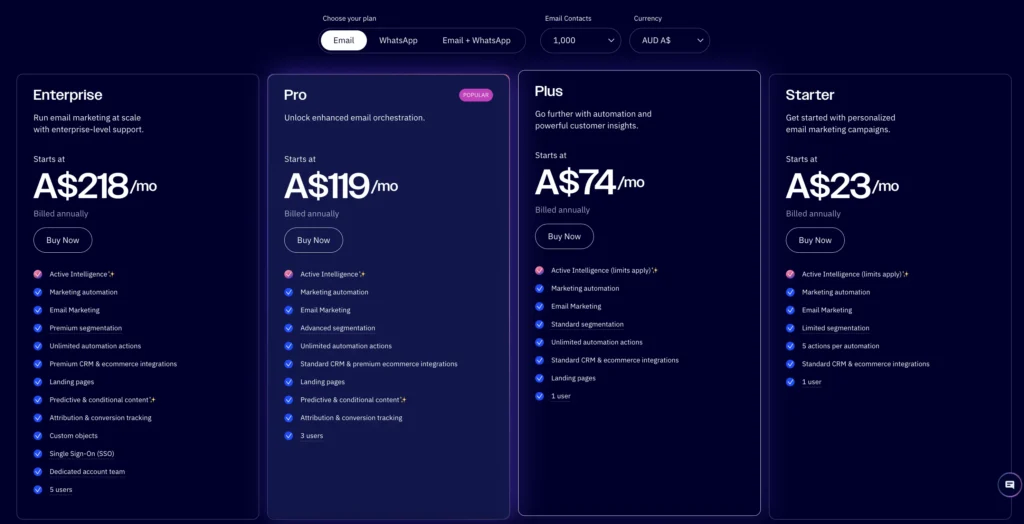
However, it’s worth noting that ActiveCampaign has faced criticism for substantial price increases over recent years, with some long-term users reporting near-100% increases over three years. The platform now operates across four tiers – Starter, Plus, Pro, and Enterprise – and costs scale steeply as your contact list grows.
Pros
- Industry-leading email deliverability (89.6% average rate)
- Active Intelligence AI with goal-aware automations and AI Agents
- Detailed segmentation options
- AI-powered content optimisation
- Extensive integration options (900+ apps)
Cons
- No free plan available
- Learning curve for advanced features
- Prices rise substantially with contact growth
- Some advanced features limited to higher tiers
Content Capabilities
- Visual automation builder with 900+ pre-built recipes
- Behavioral-based targeting
- Predictive sending optimisation
- Multi-channel campaign orchestration
- Dynamic content customisation
- Advanced segmentation capabilities
- A/B testing for campaigns and automations
- Up-to-the-minute data analysis and reporting
- SMS marketing integration
- Landing page builder (Plus plan and above)
5. EngageBay
Platform Information
Pricing
Free plan + $12.99 per user per month
G2 Rating
4.6/5 Stars
Best for:
Multi-channel campaigns
Visual workflow builder
Site messaging
Overview
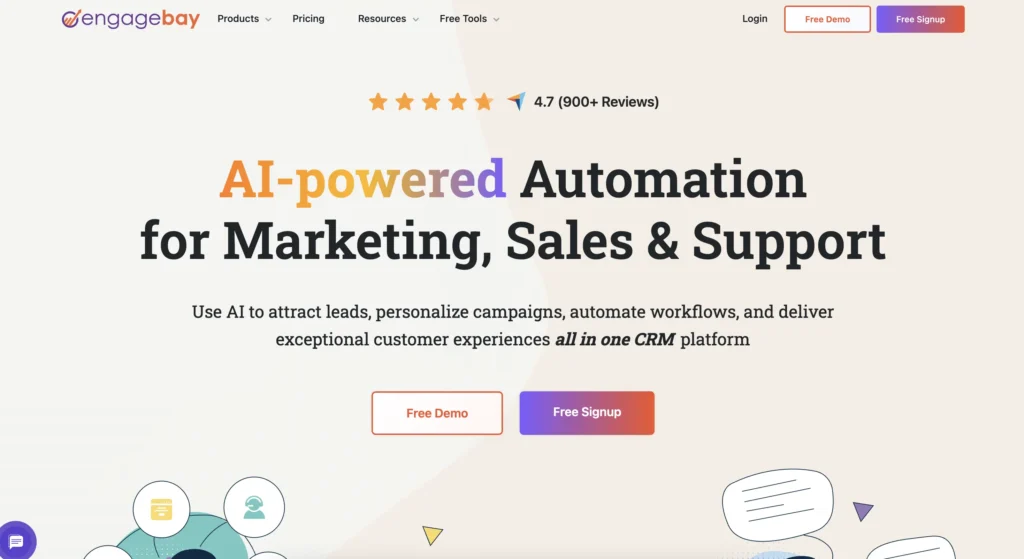
Small businesses looking for an economical yet powerful marketing CRM will find EngageBay continues to be a standout solution in 2026.
The platform has grown significantly since our last review, now serving over 150,000 businesses worldwide – a substantial jump from the 46,000 reported previously.
EngageBay has introduced AI-powered features including AI email and campaign generation, AI deal scoring, and smart recommendations to boost productivity.
While these AI tools are more basic compared to enterprise platforms like HubSpot or Salesforce, they add genuine value at EngageBay’s price point.
The platform combines advanced automation with an accessible interface, which makes it ideal for growing businesses that need sophisticated marketing tools without complexity or the steep costs of platforms like HubSpot (where Professional plans can quickly exceed $1,000/month).
Pros
- Detailed all-in-one marketing platform
- Exceptional value for money
- Free onboarding sessions
- Accessible drag-and-drop campaign builder
- Strong automation capabilities
Cons
- Extra email purchases can get pricey
- Some features are still under development
- Limited workflow automation in simple plans
- Fewer customisation options than enterprise solutions

Content Capabilities
- Visual workflow builder
- Multi-channel campaign execution
- Site messaging and push notifications
- SMS marketing integration
- Social media automation
- Email sequence automation
- Behavior-based triggers
- Lead scoring and segmentation
- Web engagement tracking
- Landing page builder
6. Freshworks CRM

Platform Information
Pricing
Free trial + $11 per user, per month
G2 Rating
4.5/5 Stars
Best for:
AI-powered tools
Multi-channel communication
Campaign tracking
Overview
Freshsales by Freshworks excels with its AI-powered marketing and sales automation.
The platform turns complex processes into efficient, automated systems through Freddy AI – Freshworks’ artificial intelligence assistant that has been significantly expanded in 2026.
A key distinction to understand: Freshworks now offers its products as separate tools – Freshsales (CRM/sales), Freshmarketer (marketing automation), and Freshsales Suite (combined sales + marketing).
If you need full marketing automation alongside CRM, you’ll want to look at Freshsales Suite or pair Freshsales with Freshmarketer.
Freshsales offers a unified suite that combines customer data, engagement tools, and automation capabilities.
Freddy AI now analyses sales data to score leads, predict deal outcomes, and suggest next actions – learning from your historical data to improve recommendations over time.
The platform’s strength lies in its ability to enhance customer interactions through built-in phone, email, chat, and messaging while keeping all customer information centralised.
Pros
- Easy-to-use interface with quick setup
- Built-in multi-channel communication tools
- AI-powered marketing automation
- Detailed campaign tracking
- 24/5 premium support
Cons
- Limited advanced customisation in lower tiers
- Some features require higher-tier plans
- Mobile app functionality needs improvement
- Advanced automation features take time to master

Content Capabilities
- Contact scoring and prioritisation
- Automated lead assignment
- Predictive contact insights
- Smart workflow automation
- Multi-channel campaign orchestration
- Live engagement tracking
- Individual-specific experiences
- Advanced segmentation tools
- Campaign performance metrics
- ROI tracking and analysis
- Custom report generation
- Behavioural analytics
7. Monday.com

Platform Information
Pricing
Free trial + $15 per seat/ month
G2 Rating
4.6/5 Stars
Best for:
Visual workflow builder
Campaign tracking
Content calendar
Overview
Monday.com’s unique approach to CRM customisation continues to make it stand out in 2026. The platform brings campaign management, team collaboration, and customer tracking together in one highly visual, unified system.
A major development: Monday.com separated its CRM product pricing from its Work Management product in 2024. Previously, buying Monday CRM included Work Management access at no extra cost – that’s no longer the case. Each product is now priced individually, which has increased the total cost for teams using both. Additionally, all paid CRM plans require a minimum of 3 seats, which means solo users or very small teams will be paying for seats they don’t use.
On the positive side, Monday CRM has added meaningful AI capabilities in 2026, including AI-powered email generation, data enrichment for contacts, and smarter automation suggestions. The platform continues to adapt to any marketing workflow with powerful no-code automation, now supporting up to 250,000 actions per month on higher plans.
Pros
- Highly customisable with 20+ column types
- Visual workflow builder with drag-and-drop interface
- Detailed campaign tracking templates
- Live collaboration features
- Advanced automation capabilities (up to 250,000 actions)
Cons
- Complex automations take time to learn
- Advanced marketing features need higher-tier
- Costs increase with more users
- Plans have overlapping features

Content Capabilities
- Content calendar view for campaign planning
- Campaign Gantt charts with dependencies
- Custom marketing automations
- Advanced reporting dashboards
- Digital asset management
- Marketing request forms
- Automated workflow triggers
- Custom integration recipes
- Email sequence automation
- Social media scheduling
- Lead capture forms
- Performance tracking
8. Pipedrive

Platform Information
Pricing
Free trial + $14 per month/ seat
G2 Rating
4.3/5 Stars
Best for:
Email campaign builder
Lead qualification
Marketing analytics
Overview
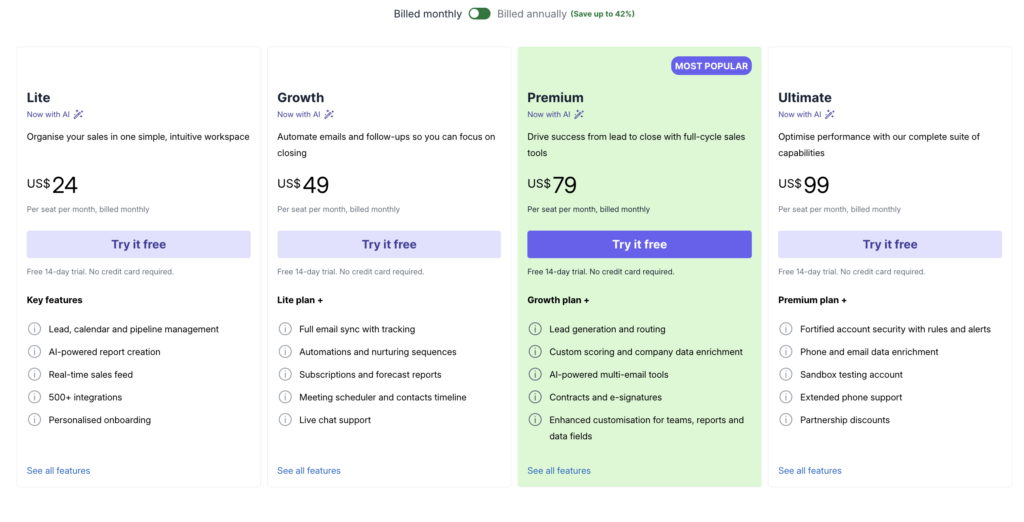
Pipedrive continues to bridge the gap between sales and marketing teams in 2026, with its unique approach of turning activity-based selling into powerful marketing channels. The platform handles deal management for users globally and helps achieve significant improvements in pipeline performance.
The standout addition is an enhanced AI Sales Assistant that now predicts deal outcomes and suggests daily priorities based on your pipeline data. In testing, the AI demonstrated approximately 75% accuracy in predicting which deals were likely to close after just two weeks of data.
Pipedrive’s marketing CRM capabilities remain spread across the core product and add-ons. Email marketing requires a separate add-on (Campaigns), and features like web visitor identification (Prospector) and LeadBooster are additional purchases. While this modular approach keeps the base price low, the total cost can add up for teams needing full marketing functionality.
2026 Key Updates
Plans renamed: Essential → Lite, Advanced → Growth, Professional → Premium, Power → Ultimate
AI Sales Assistant enhanced with deal outcome predictions (~75% accuracy)
Integration count increased to 400+ tools
Improved automation builder with more triggers and actions
Enhanced contact data enrichment features
Pros
- Accessible email marketing campaign builder
- Powerful lead qualification automation
- Immediate marketing analytics
- Smooth integration with 300+ tools
- Advanced contact data enrichment
Cons
- Limited advanced marketing features in lower tiers
- Email marketing needs a separate add-on
- Higher learning curve for automation features
- Marketing capabilities spread across add-ons
Content Capabilities
- Visual email campaign builder
- Automated lead qualification flows
- Immediate engagement tracking
- Smart contact data enrichment
- Web visitor identification
- Custom workflow automation
- AI-powered sales assistant
- Automated lead scoring
- Smart contact segmentation
- Behavioral tracking
- Multi-channel campaign orchestration
- Performance analytics dashboard
9. Microsoft Dynamics 365

Platform Information
Pricing
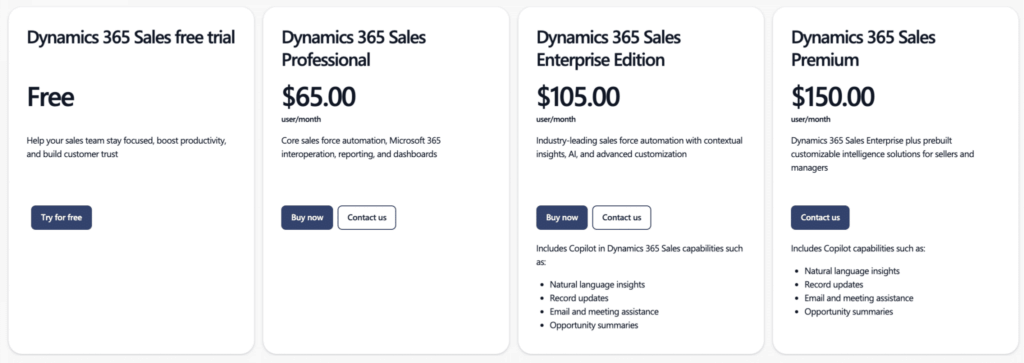
Free plan + $65 per user/ month
G2 Rating
3.8/5 Stars
Best for:
AI-driven optimisation
Customer journey orchestration
Event management
Overview
Microsoft Dynamics 365 stands out as a powerhouse in AI-driven marketing automation in 2026, and has received perhaps the most significant AI upgrade of any platform on this list with the integration of Microsoft Copilot.
Copilot is embedded across the Dynamics 365 ecosystem, allowing marketers to generate content, create audience segments, build customer journeys, and analyse campaign performance using natural language prompts.
This is a meaningful advantage for organisations already in the Microsoft ecosystem – Copilot works seamlessly with Teams, Outlook, Excel, and Power BI.
Pros
- Advanced AI-powered campaign optimisation
- Smooth integration with the Microsoft ecosystem
- Immediate customer journey arrangement
- Complete event management tools
- Built-in Power BI analytics
Cons
- Complex implementation process
- Steeper learning curve
- Higher price point than competitors
- Technical expertise needed for full utilisation
Content Capabilities
- Customer journey arrangement
- Predictive analytics
- Automated lead scoring
- Immediate personalisation
- Smart content recommendations
- Multi-channel campaign execution
- Event management integration
- Landing page builder
- Email marketing automation
- Social media integration
- Custom channel support
10. Insightly

Platform Information
Pricing
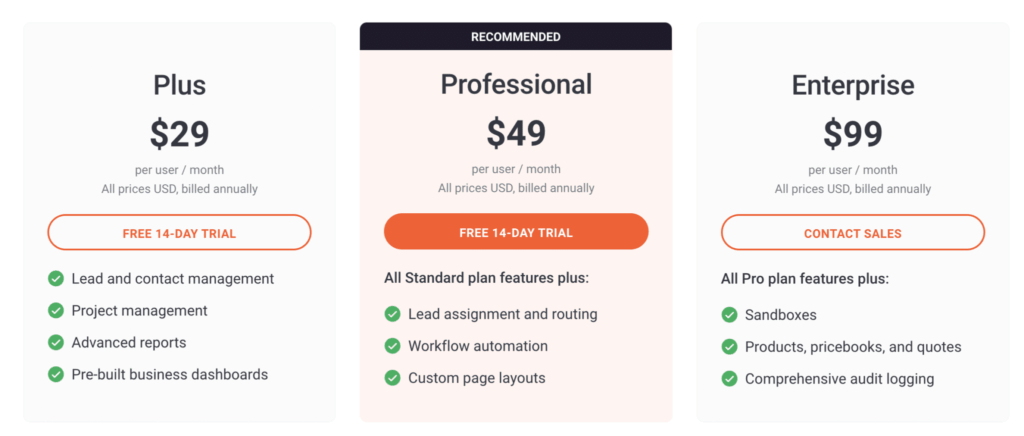
Free trial + $29 per user, per month, billed annually
G2 Rating
4.2/5 Stars
Best for:
Journey builder
Multi-touch capabilities
Prospect scoring
Overview
Insightly’s unified approach to marketing CRM continues to impress, with its seamless integration of marketing automation and core CRM functionality on a single platform.
A notable development: Insightly is now part of Unbounce’s go-to-market solutions suite, which provides additional landing page and conversion optimisation capabilities within the broader ecosystem. The company positions itself as a modern, affordable CRM that teams love – designed to elevate the customer experience by aligning sales, marketing, and service.
In 2026, Insightly introduced AI-generated email reply capabilities, allowing users to draft professional responses faster with AI-powered suggestions. While not as advanced as the AI offerings from HubSpot or Salesforce, this practical feature speeds up day-to-day customer communication.
2026 Key Updates
Acquired by Unbounce — now part of Unbounce go-to-market solutions
AI-generated email replies feature launched (February 2025)
New AI tools for CRM adoption and buyer experience optimisation
Enhanced integration with Unbounce for landing page creation
2025 CRM Research Report highlights focus on reducing CRM underutilisation
Pros
- Unified platform for sales and marketing arrangement
- User-friendly builder with multi-touch capabilities
- Advanced A/B and multivariate testing options
- Complete prospect scoring and grading
- Dynamic list segmentation capabilities
Cons
- Advanced features take time to master
- Lower-tier plans have limited functionality
- Enterprise users get exclusive features
- Setup can be challenging
Content Capabilities
- Visual journey builder for multi-step sequences
- Dynamic list segmentation for targeted campaigns
- UTM tracking and multi-touch attribution
- Prospect ID tracking for intent analysis
- Health reporting and analytics dashboard
- Email marketing with drag-and-drop builder
- Landing page creation and management
- Lead scoring and grading models
- A/B and multivariate testing capabilities
- Marketing journey automation
- Social media integration
Final Thoughts
The CRM space for marketing has shifted significantly heading into 2026, with AI now playing a central role in how these platforms deliver value.
Every tool on this list has introduced meaningful AI capabilities – from Salesforce’s Agentforce running autonomous campaigns to HubSpot’s Breeze AI suite and Microsoft’s Copilot integration… its become a “must have” in a marketing CRM.
Choosing the right marketing CRM now isn’t just about features and price – it’s about how well the platform’s AI tools align with your team’s workflow.
HubSpot remains the strongest all-rounder, though its shift to seat-based pricing and steep contact scaling costs mean you need to budget carefully as you grow. Salesforce Marketing Cloud is the enterprise play – powerful but firmly suited to larger operations with dedicated technical resources.
For growing businesses, Zoho CRM and ActiveCampaign deliver strong results on value and automation respectively, though ActiveCampaign’s price increases over recent years are worth factoring in. Small businesses have solid free options in EngageBay (now serving 150,000+ businesses) and Freshsales (formerly Freshworks CRM) to get started before committing.
The right choice still comes down to your business size, budget realities (factor in how pricing scales with contacts and seats, not just the starting price), your team’s technical capacity, and integration needs with your existing tools.