Nearly half of all Google searches carry local intent. That’s roughly 1.6 billion searches every single day where someone is looking for a business, product, or service near them.
If your business has a physical location or serves customers in a specific area, that stat should make you sit up and pay attention.
Local SEO is how you make sure your business shows up in those results… not buried on page three, but front and centre when a potential customer is ready to pick up the phone, visit your shopfront, or book online.
In this guide, we’ll break down exactly what local SEO is, how it works, and the strategies that actually move the needle.
No fluff. No jargon without explanation.
Just practical, actionable steps you can start using today.
Let’s get into it.
Quick SEO Health Check
Local SEO Health Check
Score your local SEO in 2 minutes. Get tailored recommendations.
Answer 10 quick questions about your current local SEO setup and get an instant score with a prioritised action plan to improve your local visibility.
Takes about 2 minutes. No email required.
What is Local SEO?
Local SEO (local search engine optimisation) is the process of optimising your online presence so your business ranks higher in location-based search results.
Think of it this way. When someone in Melbourne searches “plumber near me” or “best coffee shop in Fitzroy,” Google doesn’t just pull up any plumber or cafe in Australia. It serves results specific to that person’s location.
That’s local search in action.
Local SEO uses many of the same tactics as traditional SEO… keyword research, quality content, on-page optimisation, and link building. But everything gets a local focus.
You’re also layering in tools like your Google Business Profile, local citations, and online reviews to build credibility in your specific area.
How is Local SEO Different from Traditional SEO?
Traditional SEO aims to improve your visibility on a national or even global scale.
Local SEO narrows that down to a specific geographic area.
Here’s a simple way to think about it:
Traditional SEO: “How to train a puppy” (informational, no location intent)
Local SEO: “Dog trainer near me” or “Dog training Brisbane” (clear local intent)
The key difference?
Local SEO is about connecting with customers who are ready to take action in your area.
These aren’t just browsing… they’re actively looking for a business like yours, right now.
How Does Local Search Actually Work?
Google uses a specific set of ranking factors for local results, separate from its standard algorithm. According to Google’s own documentation, three factors drive local rankings:
Relevance – How well does your business profile match what the person is searching for? The more complete and detailed your listings are, the better Google can match you to the right searches.
Distance – How far is your business from the searcher? If someone doesn’t specify a location, Google estimates their position using what it knows about their device and account.
Prominence – How well-known is your business? This is based on things like reviews, review scores, backlinks, and how much information Google can find about you online.
Here’s the important bit.
You don’t have to type “near me” for Google to show local results.
If Google thinks your search has local intent, it will automatically surface local businesses… whether you’re searching from your couch in Sydney or a café in Perth.
The Local Pack (Map Pack)
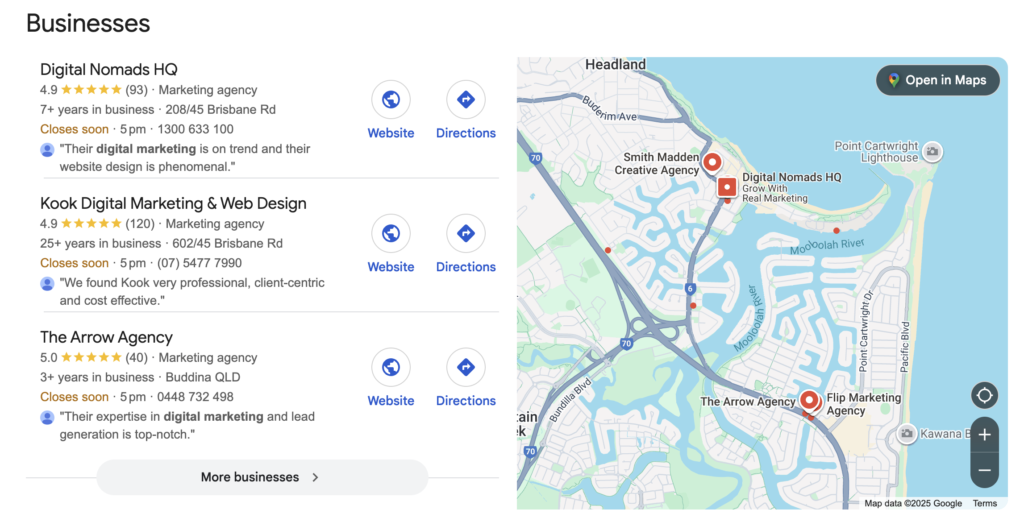
When you search for something with local intent, you’ll usually see two types of results:
- The Local Pack – This is the map section at the top of the results showing three (sometimes more) local businesses with their locations pinned on a Google Map. It includes the business name, rating, address, hours, and a link to their website.
- Organic Results – The standard list of web pages ranked below the Local Pack.
PRO TIP: Businesses in the Local Pack receive significantly more traffic than those in standard organic positions. One study found that Map Pack listings get up to 126% more traffic than results ranked in positions 4–10. Getting into that top three should be a priority for any local business.
Why Local SEO Matters for Australian Businesses
Still not convinced?
Let’s talk about the numbers.
76% of people who search for something nearby on their phone visit a business within 24 hours.
And 28% of those searches lead to a purchase.
That’s not “maybe” traffic… that’s high-intent, wallet-out traffic.
Australian businesses are projected to spend over $1.5 billion on SEO services in 2025 alone, which is a 12% jump from the year before.
Yet a staggering 58% of businesses still don’t optimise for local search. That’s a massive opportunity sitting right there for anyone willing to put in the work.
For small and medium businesses, local SEO levels the playing field. You don’t need a Fortune 500 budget to show up in the Local Pack. You need a solid strategy, consistent effort, and the right local signals… which is exactly what we’re about to cover.
Key Components of a Winning Local SEO Strategy
1. Claim and Optimise Your Google Business Profile

If you do one thing for your local SEO, make it this.
Your Google Business Profile (GBP) is arguably the single most important asset in local search. It’s what feeds the Local Pack, Google Maps, and the knowledge panel that appears when someone searches your business name.
Customers are 2.7x more likely to consider a business reputable when they find a complete Business Profile on Google.
They’re also 70% more likely to visit and 50% more likely to buy.
Here’s how to optimise yours:
- Fill out every field. Business name, address, phone number, website, hours, categories, and attributes. Leave nothing blank.
- Add high-quality photos. Businesses with photos receive more requests for directions and more website clicks.
- Write a compelling business description (up to 750 characters) that explains what makes you different.
- Post regularly. Google recommends at least once a week to keep your profile active and visible.
- Enable messaging and booking features where available.
EXPERT TIP: Check your GBP at least once a fortnight. Google can (and does) automatically update your details based on third-party data, and members of the public can suggest changes that Google sometimes accepts without notifying you. One wrong phone number or outdated set of hours can send a customer straight to your competitor.
2. Nail Your Local Keyword Strategy
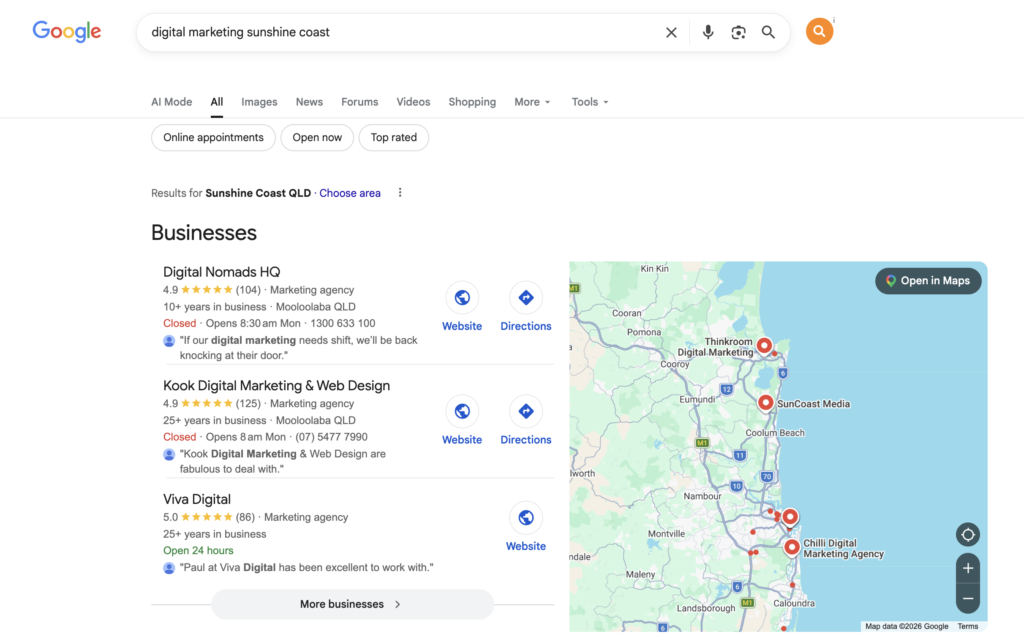
Local SEO starts with understanding what your customers are actually searching for in your area.
Local keywords are search terms that include a geographic modifier or carry local intent. Examples include “electrician Brisbane,” “physio near me,” or “best sushi Melbourne CBD.”
Tools like Semrush’s Keyword Magic Tool or Google’s Keyword Planner can help you find location-specific keywords with decent search volume. But here’s the thing most guides won’t tell you…
Don’t just target the obvious city-level keywords. Think about suburb-level terms, “near me” variations, and question-based searches like “Where’s the best dentist in Surry Hills?”
Once you’ve got your keyword list, use them naturally across your website. That means your page titles, meta descriptions, headings, body content, image alt tags, and URL slugs.
PRO TIP: Create dedicated location pages (This is an incredibly powerful SEO implementation to improve your websites traffic!) if you serve multiple areas. A page targeting “plumber Gold Coast” should have genuinely unique content about servicing that area… not just a copy-paste of your main service page with the city name swapped in. Search engines (and customers) see right through that.
3. Create Locally Relevant Content
Content is how you demonstrate to search engines (and your audience) that you’re not just in a location… you’re part of it.
This goes beyond sprinkling location keywords through your blog posts. Think about content that genuinely serves your local audience:
- Write about local events, news, or community initiatives relevant to your industry.
- Create area-specific guides or resources. A real estate agent, for example, could publish a “Moving to [Suburb]” guide with local school info, transport options, and nearby amenities.
- Showcase local case studies or success stories from clients in your area.
This kind of content does double duty. It builds local relevance signals for Google AND it actually helps your audience, which builds trust and authority.
4. Get Your NAP Consistency Right
NAP stands for Name, Address, and Phone number. It’s the basic contact information that search engines use to verify your business is real and located where you say it is.
Your NAP needs to be identical everywhere it appears online.
Your website footer, your Google Business Profile, every directory listing, every social media profile.
If your street address says “St” in one place and “Street” in another, that inconsistency can hurt your rankings.
The places where your NAP appears online are called local citations. Common citation sources for Australian businesses include:
- Google Business Profile, Yellow Pages, White Pages, True Local, Yelp, Bing Places, Apple Business Connect, and Facebook.
Tools like BrightLocal or Moz Local can audit your existing citations and help you find inconsistencies. Managing this manually across dozens of directories is painful, so these tools are worth the investment.
5. Harness the Power of Customer Reviews
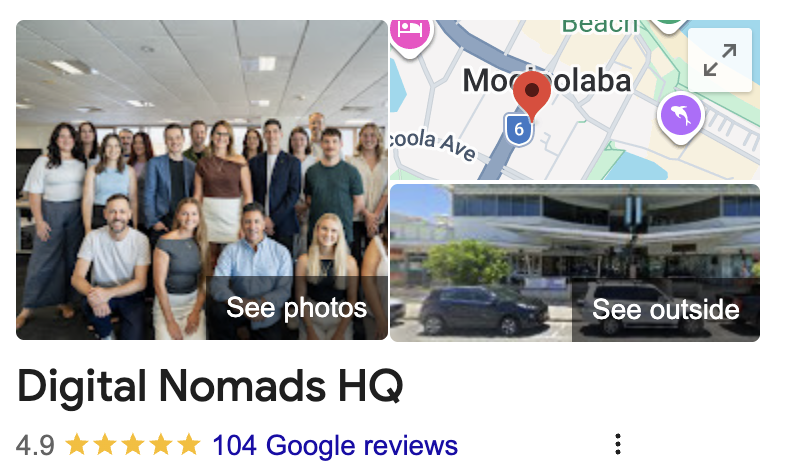
Reviews aren’t just nice to have. They’re a ranking factor.
Google considers both your review volume and your average rating when deciding where to place you in local results. But here’s something interesting… you don’t need a perfect 5-star rating. Research actually shows that a 4.7 rating is more trusted by customers than a flawless 5.0, because it looks more authentic.
How to get more reviews:
- Share your Google review link via email campaigns, receipts, and follow-up messages after a job is completed.
- Train your customer-facing staff to ask at the point of sale, especially when the customer seems happy.
- Make it ridiculously easy. A direct link or QR code removes all the friction.
And always respond to reviews.
Positive or negative, responding shows potential customers (and Google) that you’re engaged and that you care.
Over 55% of consumers say seeing a business respond to reviews makes them feel more positive about that business.
6. Optimise for Mobile
Local search and mobile go hand in hand. The majority of local searches happen on smartphones, and Google’s entire local experience is designed with mobile users in mind.
If your website isn’t mobile-friendly, you’re actively turning away potential customers.
What mobile optimisation looks like for local SEO:
- Responsive design is non-negotiable. Your site needs to look and function perfectly on every screen size.
- Click-to-call buttons should be front and centre. Make it effortless for mobile users to contact you.
- Avoid intrusive pop-ups. Google penalises mobile pages with interstitials that cover the content.
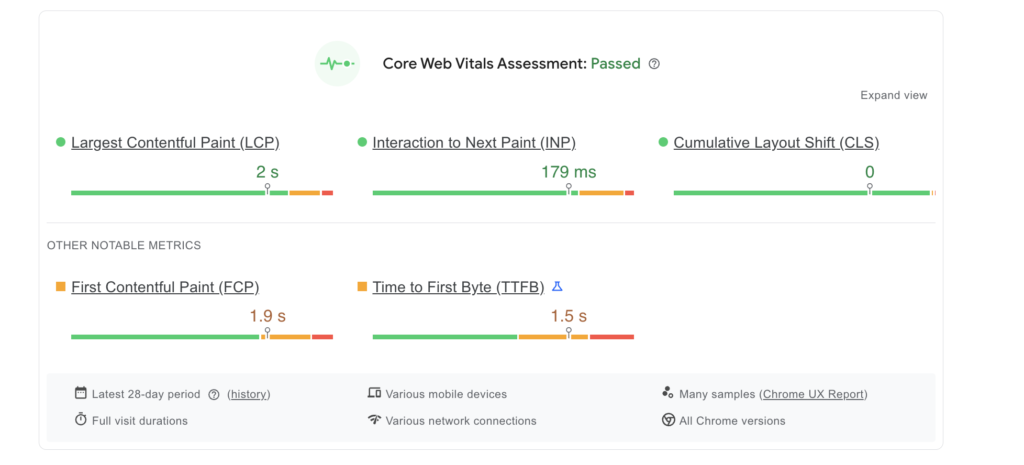
- Site speed matters. E-commerce sites that load in one second convert 2.5x more than sites loading in five seconds. Test yours with Google’s PageSpeed Insights or GTmetrix. Assess your Core Web Vitals to ensure your website performance is in alignment.
7. Build Local Backlinks
Backlinks remain one of the strongest ranking signals in SEO… and local SEO is no different. The key is to focus on links from locally relevant, authoritative sources.
Some practical ways to build local links:
- Sponsor local community events, sports teams, or charities.
- Partner with complementary local businesses for cross-promotion.
- Get listed in your local Chamber of Commerce directory.
- Contribute guest content to local news sites or industry blogs.
- Pitch local journalists with newsworthy stories about your business.
PRO TIP: One high-quality local backlink from a trusted source (like a council website, local news publication, or industry association) is worth more than a dozen low-quality directory links. Focus on quality over quantity, always.
How to Track and Improve Your Local SEO
Local SEO isn’t a set-and-forget job.
It’s an ongoing process, and you need to be tracking your results to know what’s working.
Here’s what to keep an eye on:
- Google Business Profile Insights – Track how people find your listing, what actions they take (calls, direction requests, website visits), and how your photos and posts are performing.
- Google Search Console – Monitor impressions and clicks for your local keywords. Look for trends and identify which terms are driving the most traffic.
- Google Analytics – Dig into your traffic sources, conversion rates, and geographic data. You can filter by city or region to see exactly where your visitors are coming from.
- Rank tracking tools – Use a tool like Local Falcon, BrightLocal, or Semrush to track your positions for target local keywords over time.
- Citation audits – Run a quarterly check on your NAP consistency across all listings. Things change, directories update, and errors creep in.
The businesses that consistently win at local SEO are the ones that treat it as an ongoing investment, not a one-time checklist.
Local SEO FAQs
What are the key components of an effective local SEO strategy?
A strong local SEO strategy covers five core areas: a fully optimised Google Business Profile, consistent NAP data across all online citations, locally targeted keyword research baked into your content, a steady flow of genuine customer reviews, and a mobile-friendly website. Layer in local backlinks and community engagement for the best results.
How does Google Business Profile affect local search rankings?
Your Google Business Profile is the primary data source for the Local Pack and Google Maps results. A complete, accurate, and regularly updated profile tells Google your business is legitimate, relevant, and active. Incomplete profiles get outranked by competitors who’ve filled in every detail.
What role do customer reviews play in local SEO?
Reviews directly influence your local rankings and your click-through rate. Google factors in review quantity, quality, and recency. Beyond rankings, reviews are often the deciding factor for customers choosing between two similar businesses. Respond to every review (good and bad) to show you’re engaged.
How can I optimise my website for mobile users?
Start with responsive design so your site adapts to any screen size. Then focus on page speed… compress images, minimise code, and use caching. Add click-to-call buttons and make your contact information easy to find without scrolling. Test everything on an actual phone, not just a desktop simulator.
Is local SEO worth it for businesses without a physical shopfront?
Absolutely. If you serve customers in a specific geographic area (tradies, mobile services, home delivery businesses), local SEO is essential. Google allows service-area businesses to set up a Google Business Profile without displaying a street address. You can define the suburbs and regions you serve, and show up in local results for those areas.
Ready to Improve Your Local Visibility?
Local SEO is one of the highest-ROI marketing strategies available to Australian businesses. The customers searching for your services are already looking… you just need to make sure they find you first.
If you’d rather focus on running your business while someone else handles the SEO, we can help. At Digital Nomads HQ, we build local SEO strategies backed by data, driven by results, and tailored to your specific market.